
Most people assume grandparents are perfectly content just showing up for holidays and birthday cake. But research paints a strikingly different picture. Underneath every family dinner sits unspoken frustration, quiet heartbreak, and untold wisdom nobody ever asked for.
Grandparents are holding back more than you think. They’ve watched you raise your children, bitten their tongues more times than you’ll ever know, and carried feelings they were never invited to express. Here’s what the data – and the grandparents themselves – actually say, starting with the one nobody expects.
#14 – “I Feel Left Out More Often Than You Realize”
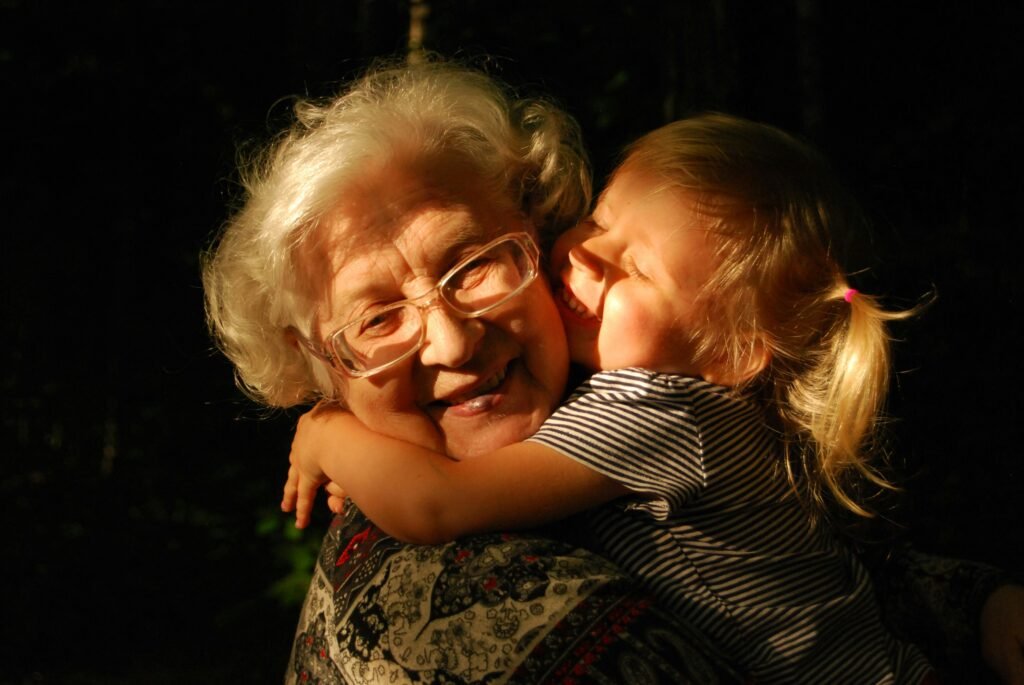
Feeling excluded as a grandparent is painful – and more common than adult children suspect. It’s especially common when adult children are focused on creating their own family traditions, even though it’s often not rejection at all.
Grandparents frequently feel their role is being restricted, that they’re being denied the chance to fully enjoy their grandchildren. This can quietly build into resentment and a sense of being unappreciated.
The worst part? They smile at Sunday lunch and go home to an empty house, wondering when the next invitation will come.
But the silence goes even deeper than missed invitations – keep reading to see what’s really being left unsaid at #13.
#13 – “Seeing You Less Than Monthly Genuinely Hurts My Health”
This isn’t sentiment. It’s physiology.
A national poll uncovered a stark connection between contact and well-being.
Fast Facts
- 72% of grandparents with grandchildren said they hardly ever felt isolated, versus 62% of those without.
- Just 57% of grandparents who see grandkids every few months feel connected, versus 70% of frequent visitors.
- Only 4% of weekly visitors rate their mental health fair or poor, compared to 13% of infrequent visitors.
That gap isn’t small. It’s the difference between thriving and declining.
Your visit is not just nice – it is, clinically speaking, medicine. And there’s a specific emotion grandparents feel during every single visit that they almost never name out loud. That’s #12.
#12 – “I Feel Love AND Worry Every Time I’m With the Grandkids”
Most grandparents look blissfully happy during visits. Turns out, it’s more complicated.
Research found that grandchild contact was associated with stronger positive feelings – specifically more love and pride – but grandparents also reported feeling sadder and more worried when with their grandchildren. That mix of emotions is unique to grandchildren; no other relationship produces quite the same daily spike in both joy and worry.
They worry about your stress levels, your finances, your kids’ screen time, and whether they’ll still be around to watch it all unfold. They just don’t want to add to your load by saying so.
The thing they wish they could say about your parenting style? That’s the uncomfortable truth waiting at #11.
#11 – “You’re Overcomplicating Parenthood”
Grandparents who’ve raised children see today’s parenting with fresh, experienced eyes – and what they see alarms them. Many point to the same idea: today’s parents are trying too hard to engineer a perfect childhood – curated experiences, endless activities, the “right” preschool, the “right” friends, the “right” everything.
One grandmother put it plainly: “We thought we were helping our kids by making everything smooth. But we robbed them of the chance to struggle a little – and that’s where confidence grows.”
Resilience isn’t built in a curated environment. Grandparents know this because they lived it – and watched their own kids live it too.
They just don’t think you’ll want to hear it. But there’s one thing they actively wish they could fix about your approach to them – and it’s about advice. See #10.
#10 – “I Have Wisdom You’re Not Asking For”
Here’s a mildly controversial take: most grandparents have hard-won expertise that goes completely untapped, simply because adult children never ask.
If your children have children of their own, you have expertise they can benefit from.
Tina B. Tessina, family therapist
But she’s quick to add a caveat – grandparents have to be willing to learn from their kids too, not just teach them. As one grandmother advises other grandparents: pause and ask yourself, “Was I asked for this input?” If parents haven’t specifically asked for your opinion, they may not be open to receiving it, no matter how valuable you think it is.
The standoff is real: grandparents sit on decades of hard-won knowledge, and adult children rarely open the door. Both sides lose.
But what grandparents wish for most isn’t advice-giving – it’s something even more basic. #9 reveals it.
#9 – “Consistent Presence Matters More Than Grand Gestures”
Forget the big birthday parties and holiday blowouts. Child development research shows what matters most is consistent presence.
Quick Compare
- Grand gestures: Big parties, holiday blowouts, splashy one-off visits.
- Consistent presence: Weekly video calls, monthly visits, regular texts as kids grow.
- What wins: The pattern matters more than the frequency or the price tag.
The love of a grandparent makes a real, lasting impact on a young child’s future. Research also shows a close, involved relationship benefits grandparents too, contributing to healthier, happier, and possibly longer lives.
Your grandparents aren’t asking for every weekend. They’re asking not to disappear from the rhythm of your life.
That’s a very different – and much easier – ask. What happens when they ARE deeply involved? The emotional data at #8 is stunning.
#8 – “My Emotional Investment in Your Kids Is Bigger Than You Know”
A study tracking 126 grandparents over five days found something remarkable about daily contact.
At a Glance
- Grandchild contact produced more love, pride, and pleasantness than any other relationship studied.
- Grandparents who stayed more engaged reported lower loneliness.
- Frequent contact was linked to more healthful behaviors and better subjective memory.
Grandparents aren’t just “fond” of your kids. They are, in measurable terms, at their happiest and healthiest when they’re with them.
Every cancelled visit carries a cost you’re probably not calculating. And the grandparent-grandchild bond has consequences that extend far beyond childhood – #7 explains what the research actually shows.
#7 – “My Relationship With Your Kids Will Shape Who They Become as Adults”
This is the one grandparents believe deeply but rarely say out loud, for fear of sounding self-important. Adults consistently say a grandparent shaped their beliefs and values.
When grandparents model kindness, teach patience, or demonstrate how to handle disappointment, they’re quietly shaping who their grandchild becomes. Research backs this up – healthy attachment between grandparents and grandchildren produces measurable, lasting benefits.
The influence doesn’t stop at childhood either.
Grandparents and adult grandchildren contribute to each other significantly – and the fact that grandparents still continue to be a resource and affect the well-being of their grandchildren into adulthood is meaningful.
Sara Moorman, Boston College researcher
What they’d never say about the emotional distance that builds up over time? That’s the raw truth at #6.
#6 – “When You Pull Away, I Don’t Know How to Tell You It’s Killing Me”
The well-documented rise in adult-child-parent estrangement creates real stressors for grandparents – loss, identity change, social isolation, complicated loyalties.
Family therapist Joshua Coleman works with some of the most heartbroken people in the world: parents whose adult children want nothing to do with them, denied graduations, weddings, and the births of grandchildren.
Most grandparents don’t know how to bridge the growing gap. They were raised in a generation where you didn’t “talk about your feelings.”
So they just… wait. And hope. And say nothing. And the distance grows.
The reason they stay silent about parenting disagreements – even serious ones – is at #5, and it’s more strategic than you’d think.
#5 – “I Bite My Tongue to Protect My Access to the Grandkids”
This one is uncomfortable, but it’s true. Even in the most loving families, grandparents often bite back their instincts.
They understand that overstepping risks the relationship entirely – they’ve aged out of the role of family decision-maker. Boundary-crossing can create tension, undermine parental authority, and even lead to estrangement, damaging the whole family dynamic.
So grandparents make a silent calculus: is saying this worth the risk of seeing less of my grandchildren? Most of the time, the answer is no.
They choose presence over honesty. Every single time. The things they wish you understood about their own need for connection – without the grandchildren as the middleman – is what #4 is all about.
#4 – “I Need a Relationship With YOU, Not Just Through the Kids”
Research shows grandparent-grandchild relationships aren’t isolated – they’re often contingent on the bond with the grandchild’s parent. A grandparent’s warmth toward a young grandchild may actually be an outgrowth of their feelings toward the parents.
Grandparents who feel grateful for open relationships with their adult children know they’re not the parents anymore – they’ve moved “from the driver’s seat to the passenger’s seat.” Validating how you parent, they’ve learned, is what keeps the connection alive.
The relationship with you – the adult child – is the foundation of everything. When it’s rocky, the grandchild bond suffers too.
Grandparents know this. They just hope you figure it out before too much time passes. What they truly wish you understood about their loneliness? #3 is the one that will stop you in your tracks.
#3 – “I Am Lonelier Than I’ve Ever Let On”
Poll data reveals just how much daily contact changes the isolation picture.
Worth Knowing
- 78% of grandparents who see grandkids nearly daily rarely feel isolated.
- That drops to 65% for grandparents who see grandchildren only every few months.
- The U.S. Surgeon General has named loneliness a public health epidemic.
Unlike new parents who quickly find communities and support groups, grandparents are often left to sort things out quietly and alone, without a space to ask questions without feeling like a burden.
People who frequently spend time with their grandchildren reported significantly better mental health and less isolation than those who saw them less often. Your presence is one of the most powerful antidotes available.
And still, despite all of this, grandparents keep one final truth buried deepest of all. #2 is the thing they’d most want to say if they could.
#2 – “I Regret Not Saying MORE When I Had the Chance”
When grandparents are asked what they wish they’d told their children sooner, one theme surfaces again and again: more patience, not less honesty. Not because it would have changed anything immediately – but because it would have built more trust long-term.
As one writer reflecting on family silence put it: “The things we don’t say create just as much damage – they just do it more slowly, like water damage inside walls.”
Grandparents are a generation raised to endure rather than express. They watched their own parents hold things back, and passed some of that silence on to you.
Now they watch you – wondering if history is quietly repeating itself. The one thing they wish they could tell you above everything else? That’s #1. And it matters more than all the others combined.
#1 – “Every Moment We’re Together Is Something I Carry With Me for Days”
This is the truth grandparents bury deepest – because saying it feels vulnerable, even needy.
But the data is unambiguous. Research found grandchild contact was associated with stronger positive affect than interactions with virtually anyone else in a grandparent’s life – more love, more pride, greater pleasantness.
Researchers at the University of Cincinnati note that the transition to old age is filled with self-reflective questions about making a difference and leaving a positive legacy. Your visits answer all of that in one afternoon.
The most important thing grandparents bring is love – and people of every age learn and grow through close, caring relationships. That attention and unconditional love helps everyone feel safe and secure.
They don’t just love you and your children. They live for you.
They just never quite found the words.
The Bottom Line
Grandparents are holding back a lifetime of feelings – not out of indifference, but out of love, fear of overstepping, and a deep need to protect their access to the people they treasure most. Regular visits reduce their loneliness, sharpen their memory, and quite literally extend their lives.
They’re not asking for much – just to be seen, included, and called more than twice a year. The question isn’t whether they have something to say.
The question is whether you’ll create the space before it’s too late. Which of these hit closest to home for your family? Drop it in the comments – we’d love to know.